What is telehealth? Getting a handle on the future of healthcare services
Technology has changed almost everything we do in today’s fast-paced world, including how we get health care. tele health is a new way to use technology to give healthcare from a distance. What is tele health, and why is it such an important part of modern healthcare systems, especially in the US?
Telehealth
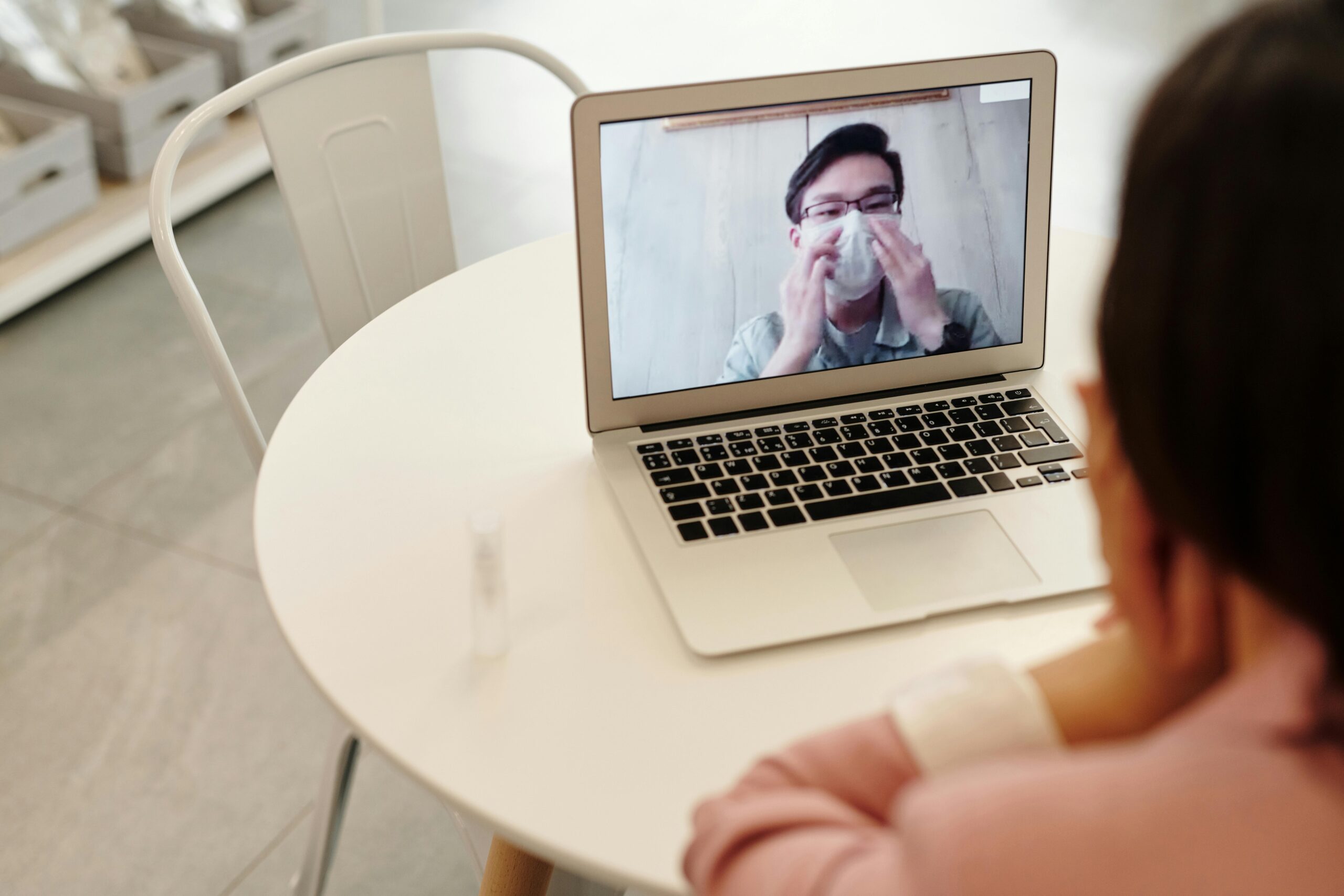
In short, tele health is the use of technology to provide healthcare services from a distance. It lets patients and providers talk to each other without having to be in the same place. Think about being able to talk to your doctor over video chat or send your health information from a smart device directly to your doctor. That’s how tele health works.
But tele health isn’t only about video calls. It includes a number of services and programs that use technology and tele health to help people stay healthy. It can be anything from store-and-forward tele health, where patient data is stored and sent to a provider for review, to full-blown remote health monitoring, where patients wear devices that send real-time health updates to their doctors.
[ez-toc]
What’s the difference between telehealth and telemedicine?
Before we move on, let’s make sure we know the difference between telehealth and telemedicine. These words are often used to mean the same thing, but they aren’t.
Tele health is a type of telemedicine. It means using technology to give clinical services, like virtual doctor visits.
Tele health, on the other hand, includes a wider range of services, such as telemedicine, health education, remote patient monitoring, and administrative meetings.
So, when we talk about tele health, we’re talking about all the ways technology can be used to give care from a distance, not just the medical side of things.
The Rise of Telehealth: When Did Tele health Begin?
Tele health has been around for a long time, but it has grown a lot and become very popular in the last few years. In the 1950s, doctors used phones to talk about patient cases, which is the first known use of tele health. In the 1990s, when internet technology became more common, telehealth began to take shape in a more official way.
But it wasn’t until the COVID-19 pandemic that tele health really took off. With social distancing rules in place, many patients and healthcare providers chose virtual appointments as a safer option. The move to digital healthcare started a wave of change that will probably keep going.
There were also big changes in the Tele health United States landscape’s policies. During the pandemic, lawmakers made it easier for more people to use telehealth by relaxing some rules. The use of tele health is still growing, with more states adding coverage and healthcare providers offering remote services to patients who need them.
How Telehealth Works
Telehealth is basically a way for healthcare providers and patients to talk to each other from a distance using technology. There are many ways that tele health can help with this:
Video consultations: Patients can talk to healthcare providers in person through secure video calls.
Text or phone consultations: For less complicated cases, healthcare providers may be able to give advice or answer questions over the phone or through text.
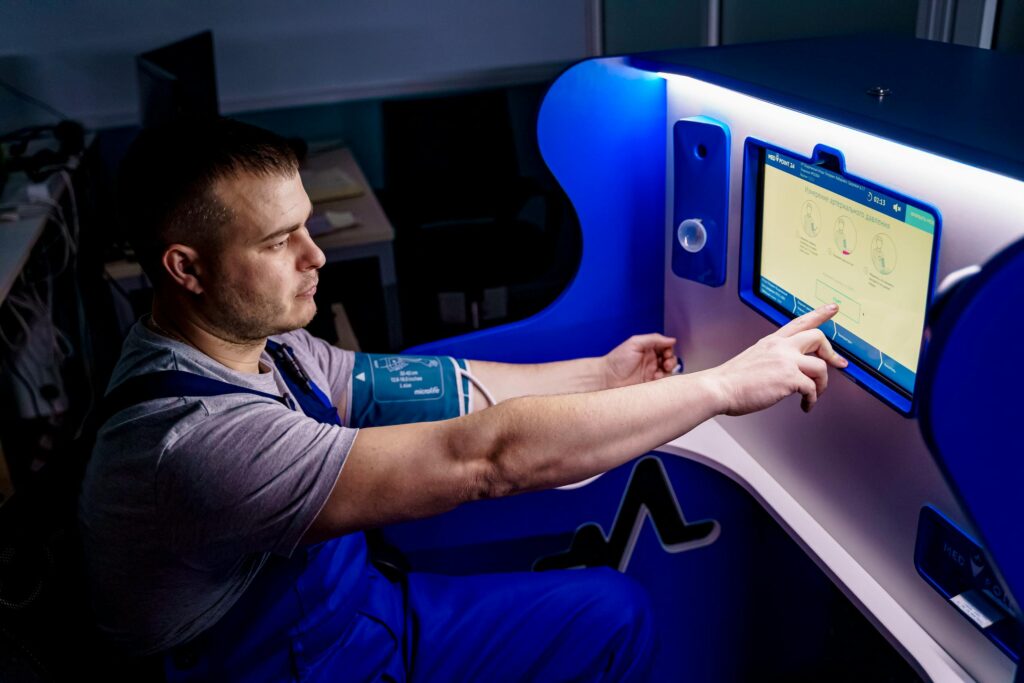
Remote patient monitoring: Smartwatches and other wearable sensors collect health data like blood pressure and glucose levels and send it straight to a doctor for review.
Store and forward telehealth: This means that a provider collects and stores a patient’s information for later review, usually without talking to them in real time.
Tele health programs are meant to be easy to use, flexible, and cheap for both patients and healthcare providers. Tele health is there to help you with everything from getting advice on a rash to managing a long-term illness.
What makes Tele health so important?
There are many reasons why tele health is important:
More people can get care: Tele health makes it easier for people in rural or underserved areas to get the care they need. Patients don’t have to travel far to see specialists.
Convenience: For a lot of patients, it’s just easier to make a tele health appointment from home than to go to a clinic.
Cost-Effectiveness: Tele health can help healthcare providers save money on overhead costs, which can help patients save money on healthcare costs. For example, virtual consultations can cost less than in-person visits.
Safety and Privacy: Tele health lets patients get care without having to go to crowded waiting rooms where they might catch a virus or infection, which is especially important during the pandemic.
Better Health Outcomes: Patients can better manage their conditions and get timely help when they need it, which leads to better long-term health outcomes.
How has tele health made it easier to care for clients?
In many ways, telehealth has made client care much better:
Continuity of Care: Tele health lets patients who need regular check-ups or ongoing care stay in touch with their healthcare providers, even if they live far away or can’t visit in person.
Personalized Care: Tele health lets providers keep an eye on patients from afar and change their treatment plans based on real-time data. This is especially helpful for people with long-term illnesses like diabetes, high blood pressure, and heart disease.
Better Health Monitoring: Doctors can keep an eye on a patient’s health between visits with remote monitoring tools. This helps find problems early on, before they get worse.
Faster Response Times: In emergencies, tele health lets patients see a doctor more quickly, which means they can get the care they need more quickly.
Lessening the Load on Healthcare Systems: Tele health lets people take care of minor health problems from a distance, which frees up in-person appointments for more serious cases. This makes the healthcare system work better overall.
In conclusion
Tele health is changing the way we think about health care. Millions of people all over the world can now get health care more easily, quickly, and cheaply. Tele health has shown to be an effective way to provide care from a distance using technology, whether it’s through a video consultation, remote monitoring, or an online health program.